


Projects
past and present
Active + In Development
Some of these projects are already alive and moving , at various stages of development, built on decades of deep relationships, local knowledge, hard work and incredible community commitment, goodwill and determination. They just need more support to continue towards their goals.
Others are waiting for the right support to begin.
If any of these projects align with your priorities or areas of interest, we'd love to talk.
Photography · Arnhem Land & Papua New Guinea
Active
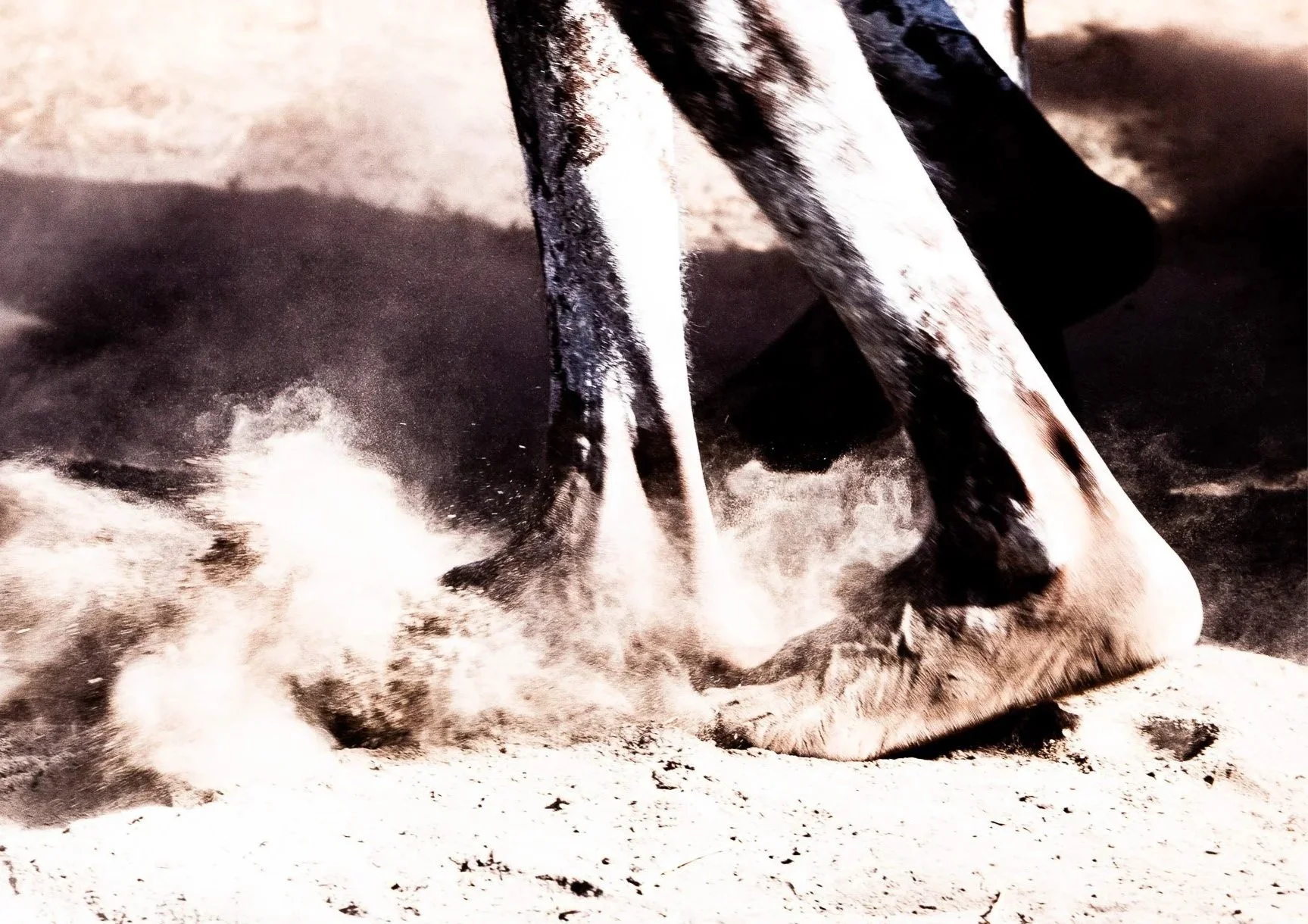
Bare Feet -on country
In the early 2000s, Daryl Byrne completed a five-month kayak journey from Cairns to Milne Bay, Papua New Guinea. He found Wialoki Island, took off his shoes and never really put them back on.
Bare Feet — On Country is a large-format outdoor photographic exhibition documenting what is happening right now on that remote island — a traditional community living without phones, internet or power, actively repairing an environment they did not damage, with bare hands and ancient knowledge.
Two visits. Two perspectives — Byrne's lens and cameras left with community children to document their own world. Printed large, installed outside at Field & Fin Marrickville, in the weather, because this story belongs in the open.
Between Seasons - Japan
Food systems & cultural exchange · Sydney & Myoko, Niigata · Active
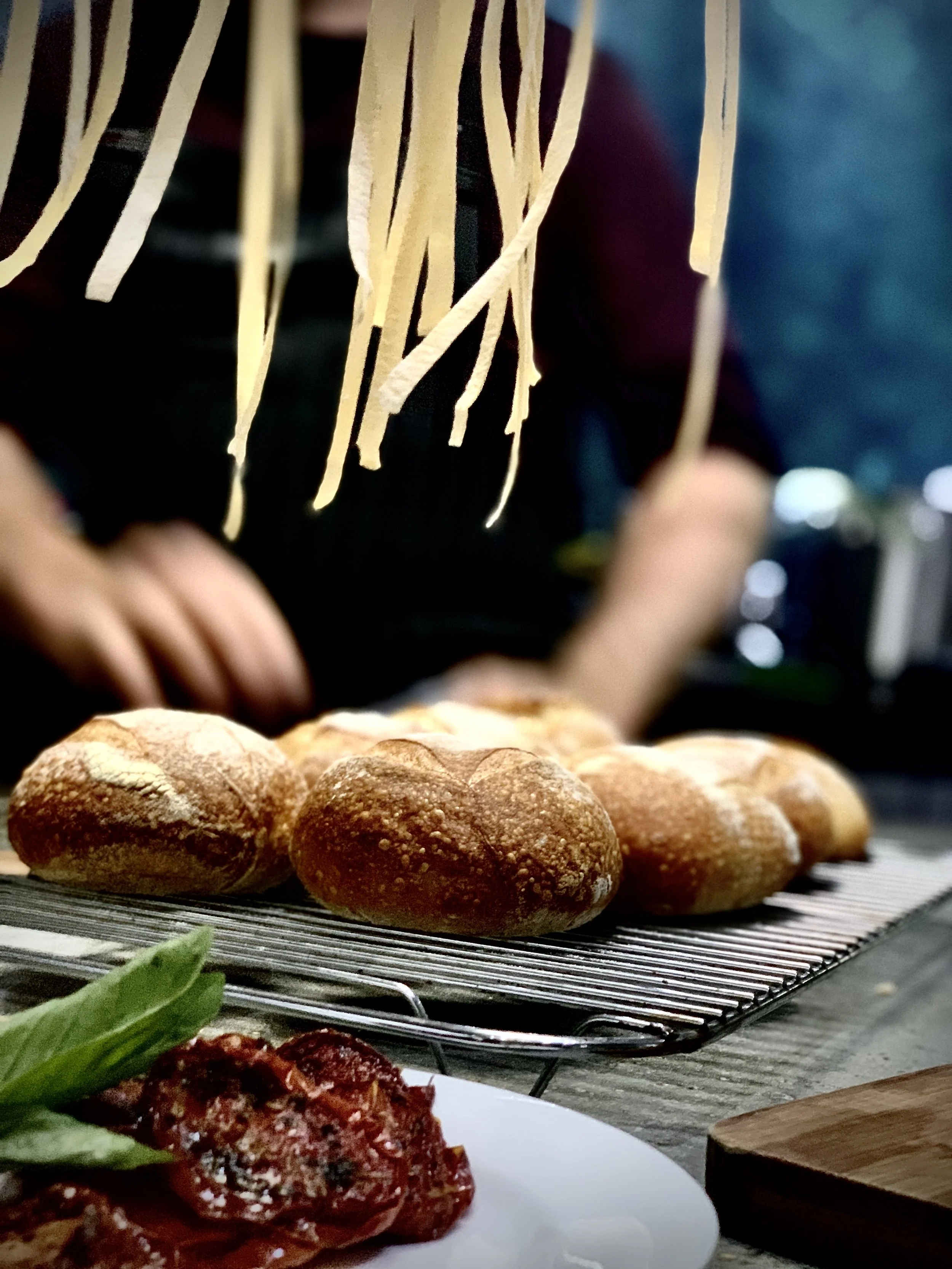
Between Seasons Japan is a cultural and culinary exchange between Field & Fin in Sydney and Hakujin Dansei no Kitchin, a Japanese kitchen established by Australian chef Grant McGregor in Myoko, Niigata Prefecture.
The project explores the space between seasons — how traditional food cultures in both countries navigate the land, the harvest, and the knowledge passed between generations. Chefs, growers, and makers travel in both directions. What they bring back changes how they cook, how they think, and how they talk about food with the people who eat it.
Food sovereignty & marine conservation
Milne Bay.
In Development
Between Seasons — PNG
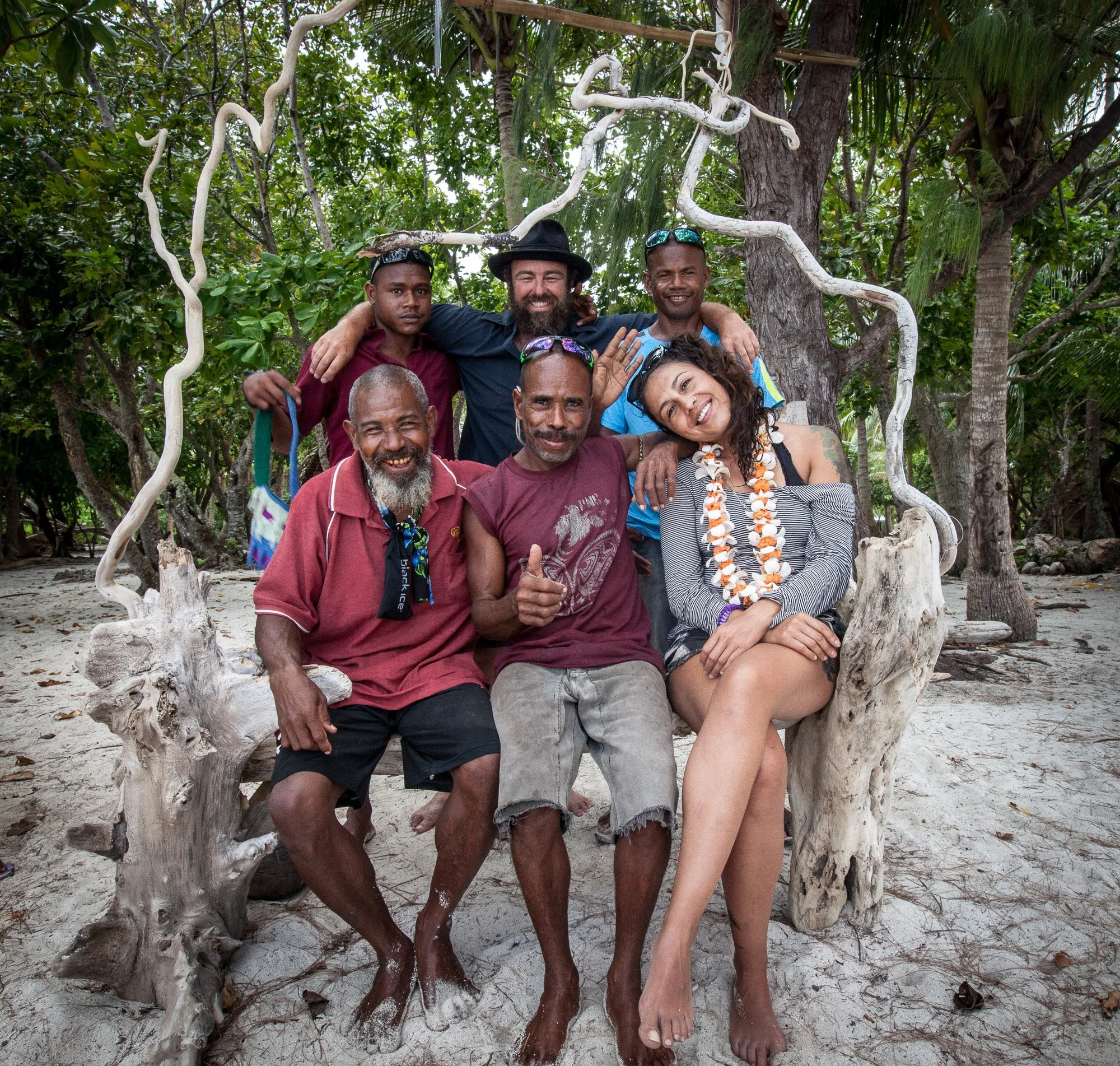
Between Seasons PNG is the second chapter of the Field & Fin conservation story and low impact, on country food production, moving from documentation into action.
Building on twenty-five years of relationship with traditional communities around Milne Bay, this program embeds food sovereignty, reef restoration, and community conservation into a working model that the community owns and operates. Aquaponics, mushroom cultivation, coral gardening, turtle monitoring, energy sovereignty — each system designed to reduce pressure on the reef and build resilience into a community already doing the hard work of holding their world together.
Between Seasons PNG asks what it looks like when a city food community and a remote island conservation community decide to support each other properly.
The Long Watch
Turtle conservation · Wialoki Island, Milne Bay · Active
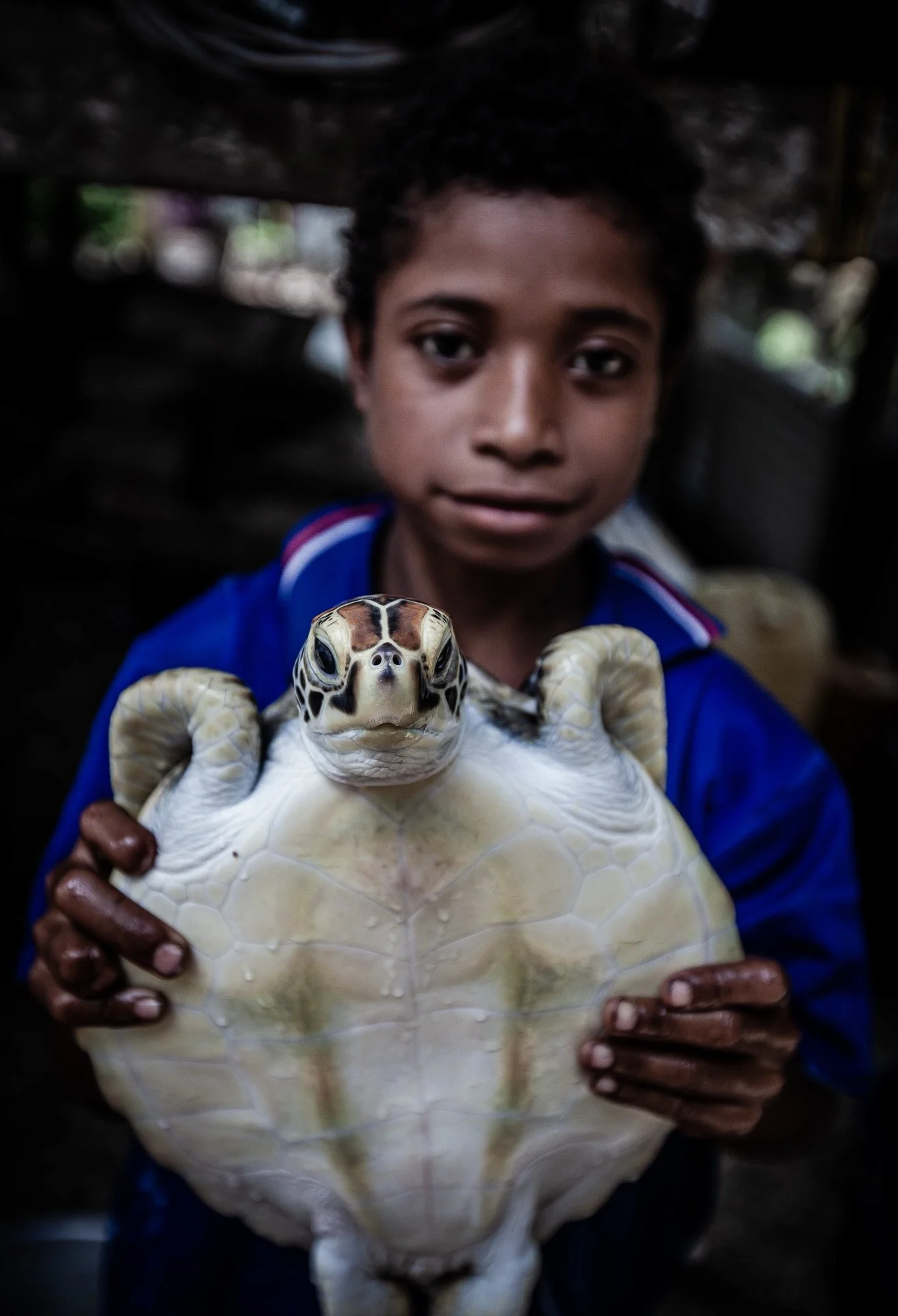
For over twenty years, community elder Ginesi has maintained his own self-managed turtle protection zones on Wialoki Island — without equipment, without funding, without formal recognition.
The Long Watch formalises what he built from instinct and culture. A community ranger program. Nesting beach surveys. Tagging and satellite tracking. Data submitted to regional and global monitoring networks. Paid positions for community members doing work they were already doing for free.
The Long Watch is not a new conservation program. It is an old one, finally supported.
Coral & seagrass restoration · deboyne islands
Milne Bay
Active
A Deep Garden
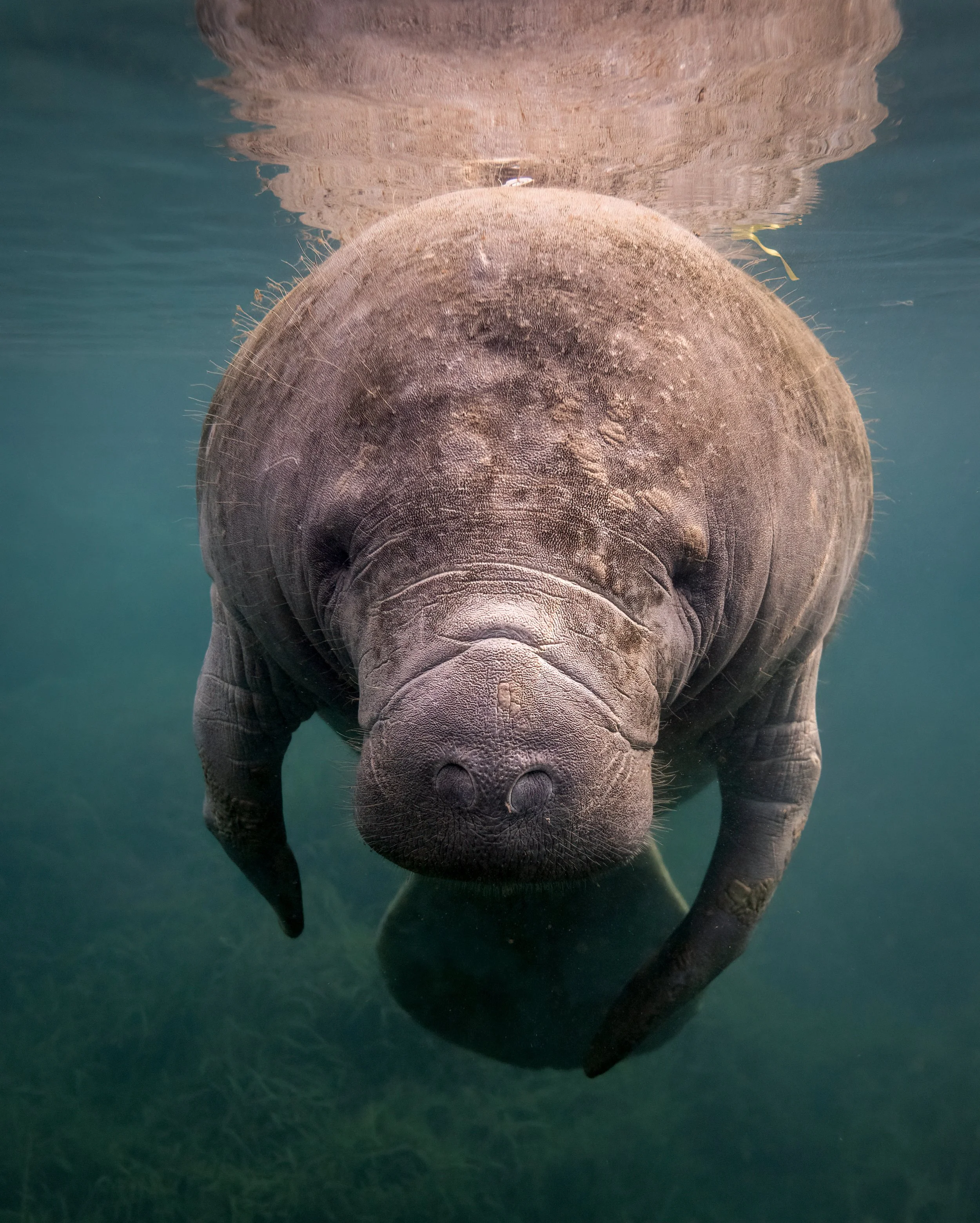
Beneath the surface in the lagoons of the deboyne islands, the reef is changing. Storm damage. Warming water. Depleted seagrass. A dwindling dugong population.
A Deep Garden is the community's response.
Coral nurseries growing fragments from healthy reef sections and planting them on damaged areas, seagrass beds replanted in degraded zones, seaweed cultivated for both reef health and community income. Tended by the same people who have stewarded this reef for generations, supported by science, and connected to every other system on the island.
A Deep Garden is patient, deliberate, and alive
Sanitation & reef protection · Wialoki Island, Milne Bay ·
In Development
High tide

Conventional sanitation in reef-adjacent communities is one of the most overlooked causes of reef degradation. Nutrient runoff from human waste feeds algal blooms that smother coral.
High Tide installs a tidal composting toilet system at Wialoki Island, designed using World Bank Pacific sanitation methodology, that uses seawater to activate the composting process.
Zero freshwater input. Zero liquid effluent into the reef lagoon. The solid compost feeds directly into the community food gardens. The reef is protected. The soil is enriched.
High Tide is simultaneously a community health project and an active marine conservation measure — and is funded as both.